%20(1)%20(1).png)
Crafting Minimalist Spaces with Japandi Design: A Refined Approach to Minimalist Japandi Design

In the realm of luxury residential interior architecture, the pursuit of timeless elegance and functional beauty often leads to the exploration of design philosophies that emphasize simplicity and harmony. Among these, Japandi design stands out as a sophisticated fusion of Japanese minimalism and Scandinavian functionality. This style offers a refined approach to minimalist Japandi design, perfectly suited for those who appreciate subtlety, craftsmanship, and a serene living environment. In this post, I will share insights into crafting minimalist spaces with Japandi design, highlighting practical strategies and design principles that elevate interiors to a realm of understated luxury.
Embracing Minimalist Japandi Design: Principles and Aesthetic
Minimalist Japandi design is grounded in the seamless integration of two distinct yet complementary traditions. Japanese interiors are known for their restrained elegance, natural materials, and a deep respect for craftsmanship. Scandinavian design, on the other hand, prioritizes functionality, lightness, and comfort. Together, they create spaces that are uncluttered, warm, and inviting.
Key principles to consider when adopting minimalist Japandi design include:
Simplicity and Functionality: Every element must serve a purpose. Avoid excess ornamentation and focus on clean lines.
Natural Materials: Use wood, bamboo, linen, and stone to bring warmth and texture.
Neutral Color Palette: Soft whites, muted greys, and earthy tones dominate, with occasional deep blues or greens for contrast.
Craftsmanship: Emphasize artisanal details and bespoke furniture that reflect quality and precision.
Balance and Harmony: Create a sense of calm through symmetry and thoughtful spatial arrangement.
By adhering to these principles, one can create interiors that feel both luxurious and grounded, a hallmark of high-end residential design.

Designing with Purpose: Practical Tips for Minimalist Japandi Design
To translate the philosophy of minimalist Japandi design into tangible interiors, consider the following actionable recommendations:
Select Furniture with Clean Silhouettes
Opt for pieces that exhibit simplicity in form yet demonstrate meticulous craftsmanship. Low-profile wooden tables, streamlined chairs, and modular storage units work well.
Incorporate Textural Contrast
Balance smooth surfaces with tactile elements such as woven rugs, linen cushions, or ceramic vases. This interplay enriches the sensory experience without overwhelming the senses.
Maximize Natural Light
Use sheer curtains or leave windows unobstructed to allow daylight to permeate the space. Light enhances the natural hues and textures central to Japandi interiors.
Integrate Greenery Thoughtfully
Select plants with sculptural qualities, such as bonsai or snake plants, to introduce life and vitality while maintaining minimalism.
Maintain Clutter-Free Zones
Employ smart storage solutions to keep surfaces clear. This not only preserves the aesthetic but also promotes tranquility.
Use Subtle Decorative Accents
Choose handcrafted ceramics, simple art pieces, or natural fiber baskets to add personality without detracting from the overall calm.
These strategies ensure that the space remains purposeful and elegant, reflecting the discerning taste of those who value both form and function.
What is the 3-5-7 Rule in Interior Design?
The 3-5-7 rule is a guiding principle that helps achieve visual balance and harmony in interior spaces. It suggests that any room should be composed of three colors or materials in the following proportions:
3 parts dominant: This is the primary color or material that sets the tone for the space. In Japandi design, this might be the natural wood flooring or the neutral wall color.
5 parts secondary: These elements support the dominant color and add depth. Examples include upholstery, rugs, or cabinetry.
7 parts accent: The smallest portion, used sparingly to introduce contrast or interest. This could be a piece of art, a cushion, or a decorative object.
Applying this rule ensures that the space feels cohesive and well-curated without appearing monotonous or chaotic. In minimalist Japandi design, the 3-5-7 rule helps maintain the delicate balance between simplicity and warmth, guiding the selection of materials and colors to create a serene yet inviting atmosphere.
Materiality and Texture: The Heart of Japandi Interiors
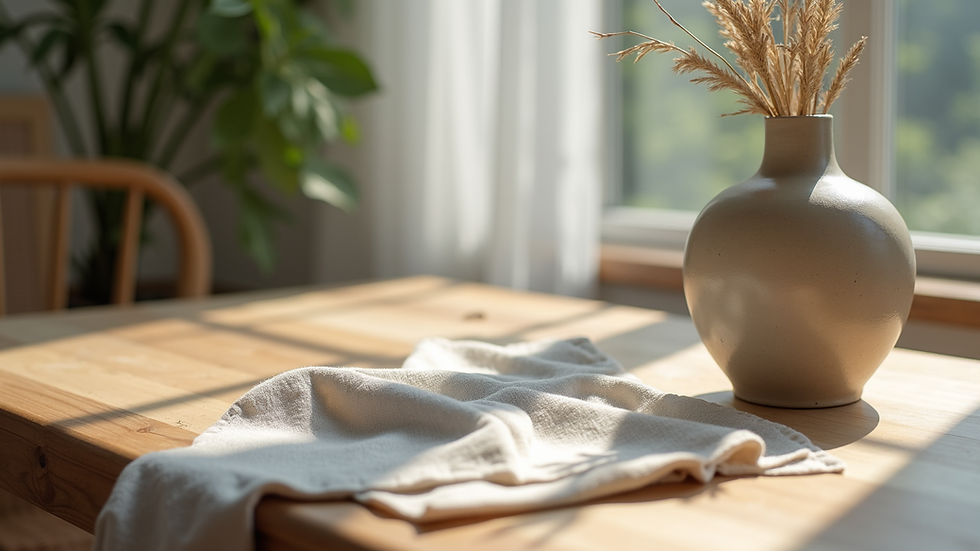
One cannot overstate the importance of materiality in crafting minimalist Japandi spaces. The tactile quality of materials contributes significantly to the sensory experience and emotional resonance of a room. Here, the choice of materials is deliberate and precise.
Wood: Light-toned woods such as ash, oak, or pine are preferred for flooring, furniture, and paneling. Their natural grain adds subtle visual interest.
Textiles: Linen, cotton, and wool in muted shades provide softness and comfort. These materials are often used for upholstery, curtains, and cushions.
Ceramics and Stone: Handcrafted pottery and stoneware introduce artisanal charm and a connection to nature.
Metal Accents: Brushed brass or matte black fixtures add a refined contrast without overpowering the space.
By layering these materials thoughtfully, one achieves a tactile richness that complements the minimalist aesthetic. The interplay of smooth, rough, soft, and hard surfaces creates a dynamic yet harmonious environment.
Integrating Japandi Interior Design Ideas into Luxury Residences
For those seeking to elevate their living spaces with Japandi design, it is essential to approach the process with intentionality and an eye for detail. Here are some tailored recommendations for luxury residential projects:
Custom-Built Furniture: Commission bespoke pieces that reflect the architectural language of the home. This ensures coherence and exclusivity.
Spatial Flow: Design open-plan layouts that encourage movement and interaction while preserving intimate corners for relaxation.
Lighting Design: Incorporate layered lighting with recessed fixtures, pendant lamps, and floor lamps to create ambiance and highlight textures.
Artisanal Elements: Integrate handcrafted objects and artworks that resonate with the cultural roots of Japandi design.
Sustainability: Prioritize eco-friendly materials and practices, aligning with the philosophy of respect for nature inherent in both Japanese and Scandinavian traditions.
By weaving these elements into the fabric of the residence, one crafts a sanctuary that embodies sophistication, comfort, and timeless appeal. For inspiration and further exploration, consider exploring curated japandi interior design ideas that showcase exemplary applications of this style.
The Enduring Appeal of Minimalist Japandi Design
The allure of minimalist Japandi design lies in its ability to create spaces that are simultaneously serene and sophisticated. It offers a respite from the excesses of modern life, inviting occupants to slow down and appreciate the beauty of simplicity and craftsmanship. For luxury residences, this design philosophy aligns perfectly with the desire for environments that are both elegant and enduring.
In embracing minimalist Japandi design, one invests not only in aesthetics but also in quality, functionality, and a profound connection to nature. This approach ensures that interiors remain relevant and cherished for years to come, reflecting a lifestyle of thoughtful refinement and understated luxury.


Comments